Single molecules
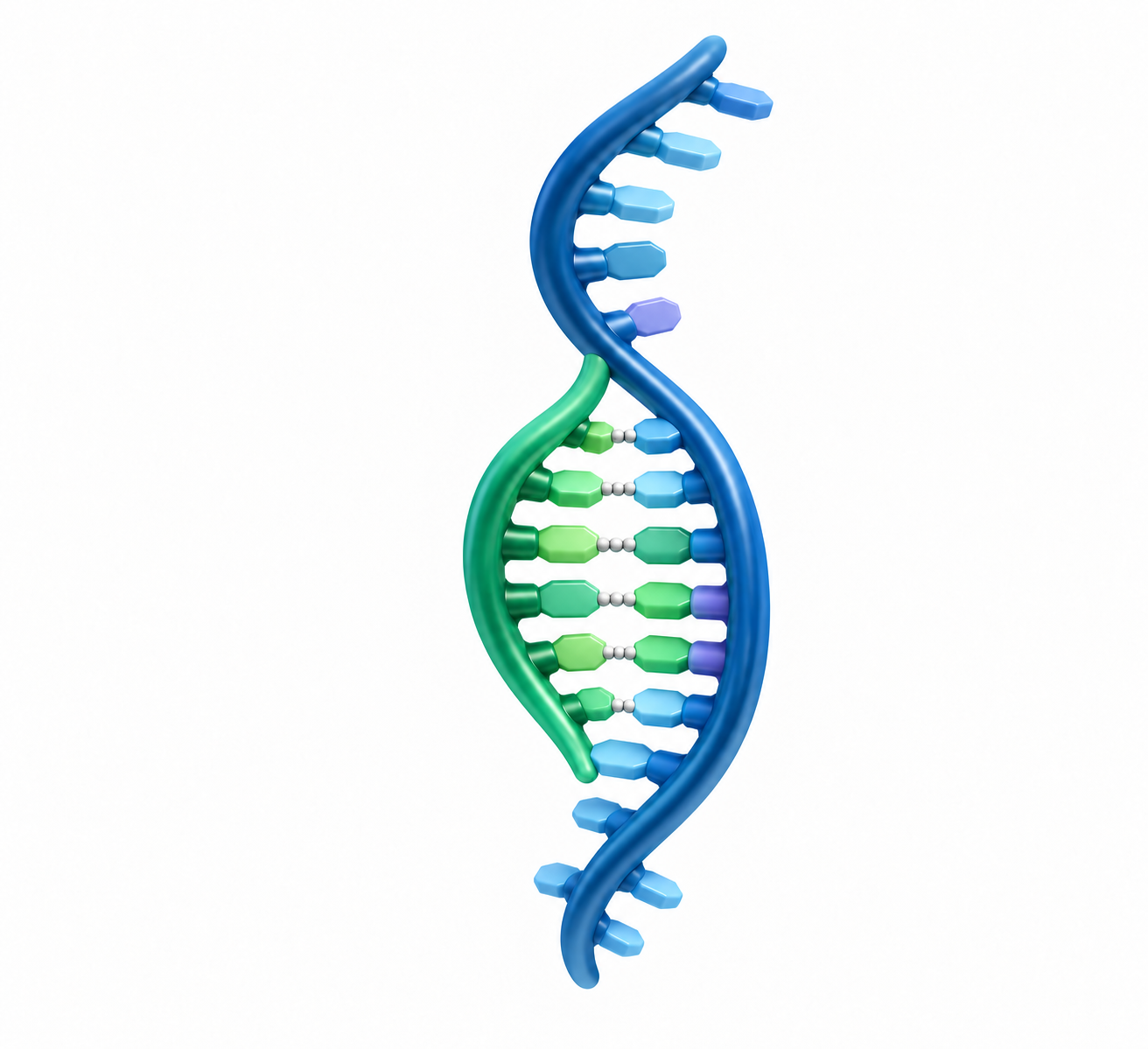
ASO–target interactions
Observe binding and molecular dynamics
Seeing each molecule, particle and cell as they interact with their environment changes what we can learn from a drug formulation. ScopeSys develops single-molecule imaging tools that reveal the composition and behavior of molecules, nanoparticles and live cells in real time.
Our CLiC technology holds samples in a thin, optically accessible space so individual molecules and particles can be observed in solution. We measure size, cargo loading, copy number, molecular organization and interaction kinetics, revealing differences that bulk measurements can average away.
We work with pharmaceutical, biotechnology and academic teams developing genetic medicines. From early formulation discovery to process scale-up to manufacturing control, our quantitative multi-parametric data help teams make more informed decisions.
ScopeSys offers research services, instruments, and application-specific consumables to accelerate the next generation of genetic medicines.
From molecular interactions to nanoparticle properties and behavior in live cells
Single molecules
Observe binding and molecular dynamics
Single particles
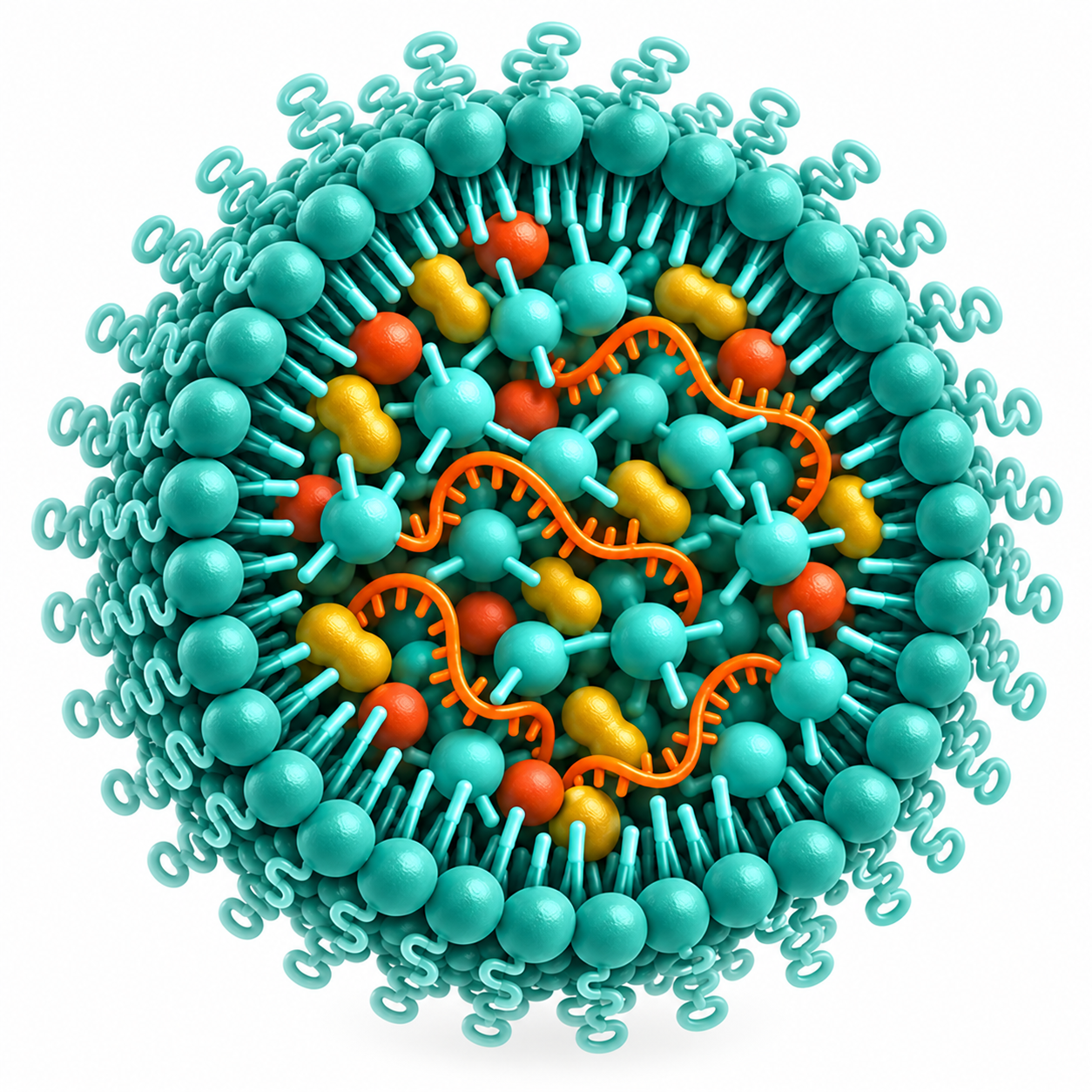
Examine cargo and organization in each particle
Live cells
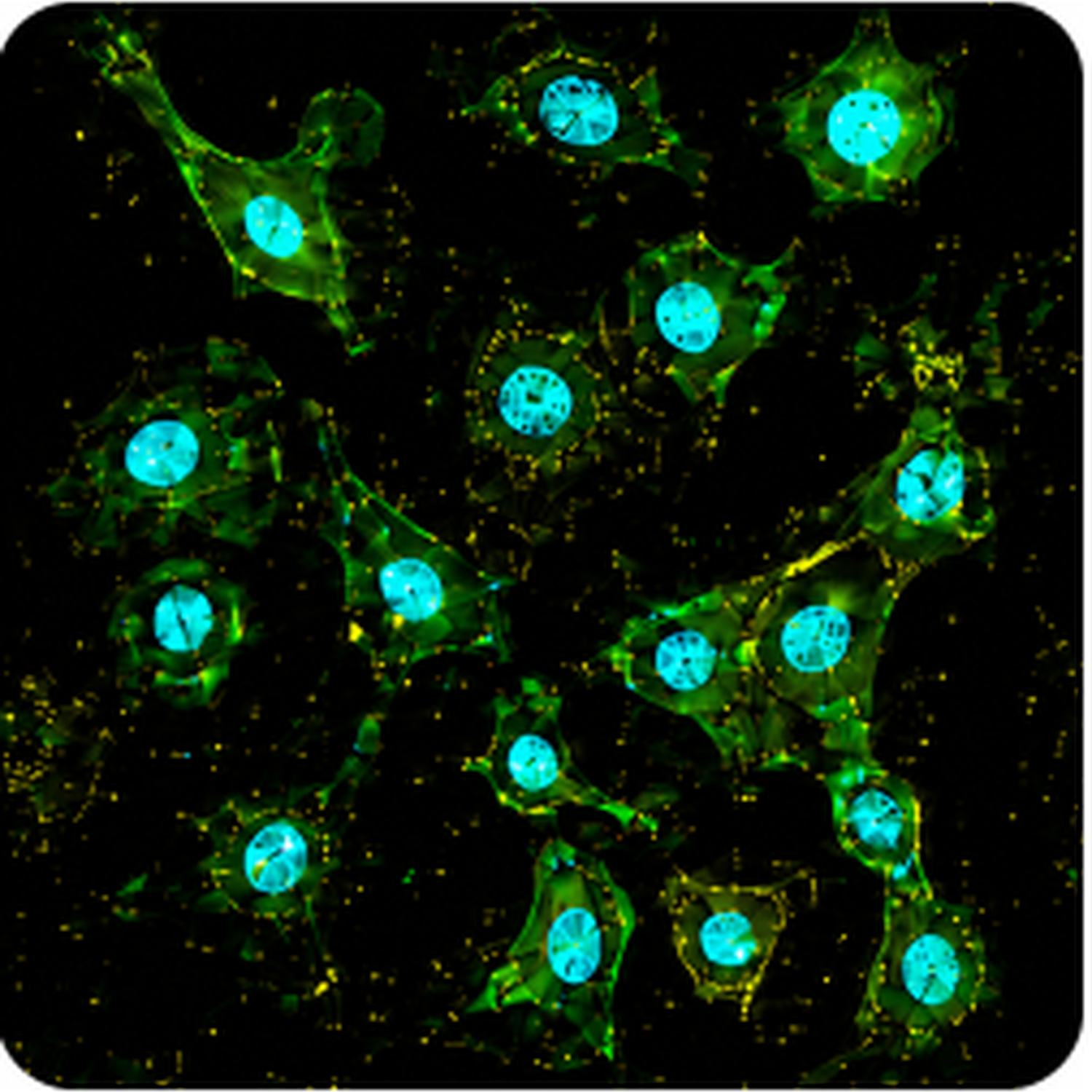
Follow fluorescent signals in live cells
ScopeSys brings together expertise in single-molecule biophysics, imaging analytics, instrumentation, software and commercialization.

Padma leads ScopeSys’ strategy, commercialization and growth. She has nearly three decades of experience in life-science tools and analytical technologies, spanning research and development, product development, strategic partnerships and global commercialization. Before joining ScopeSys, she held executive and senior leadership positions at A-Alpha Bio, Precision NanoSystems and Thermo Fisher Scientific. Padma earned a PhD in Immunology from the University of Illinois and an MBA from San Diego State University.

Sabrina is founder of ScopeSys and lead inventor of CLiC technology. She leads a single-molecule microscopy group in the Michael Smith Labs as well as the Physics and Astronomy Department at the University of British Columbia. She has pioneered the research and development of CLiC technology, while investigating DNA, protein, RNA, nanoparticle and single-cell applications. She earned her B.Sc. in Honours Math and Physics at UBC in 2002 and Ph.D. in Physics at U.C. Berkeley in 2008. From 2009 to 2011, she was a Mary Fieser post-doctoral fellow in the Department of Chemistry and Chemical Biology at Harvard, where she co-invented and began to develop the CLiC technology with Adam Cohen. Sabrina was a professor in the Physics Department at McGill University from 2012 to 2020 and relocated with her team to UBC in 2021.

Albert leads research and development at ScopeSys, translating the CLiC platform into analytical applications for genomic medicines. He has worked with CLiC technology for the past decade and has led the development of several applications. His expertise spans single-molecule microscopy, quantitative imaging, and assay development, with a focus on characterizing biomaterials at the molecular (DNA and RNA), particle (LNPs and EVs), and cellular levels. Albert earned a BSc in Physics and an MSc in Applied Physics from the University of Massachusetts Boston, followed by a PhD in Physics from McGill University. His doctoral research in Sabrina Leslie’s group focused on the biophysics of nanomedicines.
Michael develops the software used to analyze data generated by ScopeSys’ instruments and assays. He combines neural networks, image analysis and data visualization to detect, track and characterize individual particles. His work turns complex imaging data into accessible, customizable workflows that help researchers interpret sample heterogeneity and dynamic behavior. Michael earned an honours degree in Mathematics and Physics from McGill University.
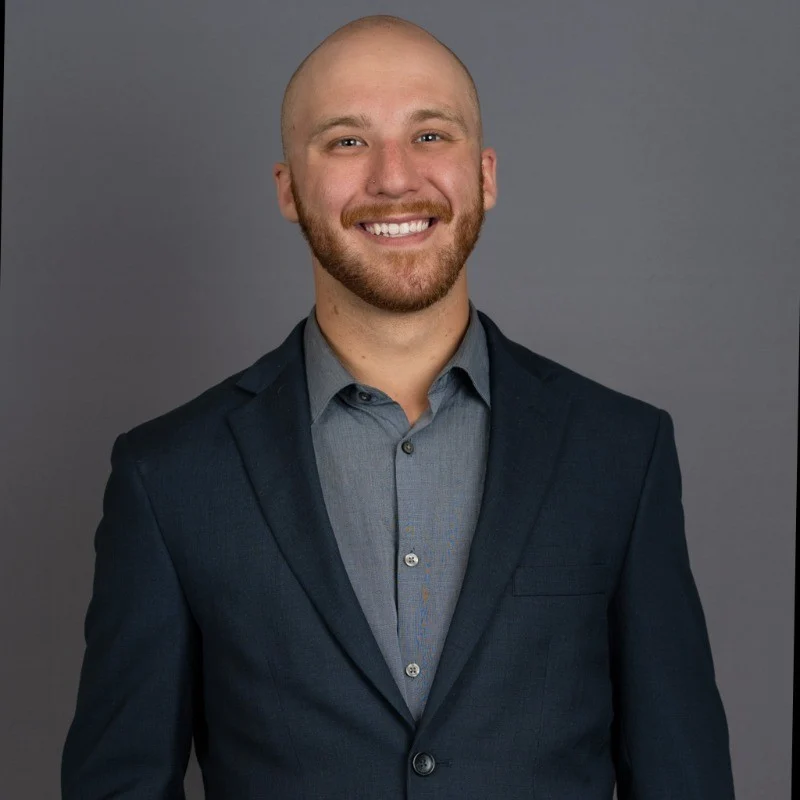
Eric works with partners and customers to design studies, implement assays and interpret data generated by the CLiC platform. He brings a background in formulation sciences and technical sales, with experience in nanoparticle formulation, characterization and customer support from previous roles at NanoVation Therapeutics and Precision NanoSystems. His graduate research focused on degradable polymers and nanoparticle contrast agents for preclinical imaging. Eric earned bachelor’s and master’s degrees in engineering from Western University, including graduate training in biomedical engineering.

James was a co-founder and the CEO of Precision Nanosystems Inc. (PNI), a company which commercializes scientific instruments and services for developing lipid nanoparticles for drug delivery applications. PNI was acquired by Danaher in 2021 and joined the Cytiva family in 2023. James has a B.A.Sc. in engineering physics from UBC and a Ph.D. in genetics from the Institute for Systems Biology. Dr. Taylor has worked at the venture capital firm, Accelerator Corporation, and has over a decade of experience in microfluidics, nanotechnology and systems biology. Dr. Taylor is also a member of the Board of Directors of Virica Biotech.